


Paper Punch Card vs Digital Attendance System: Long-Term TCO Cost Comparison
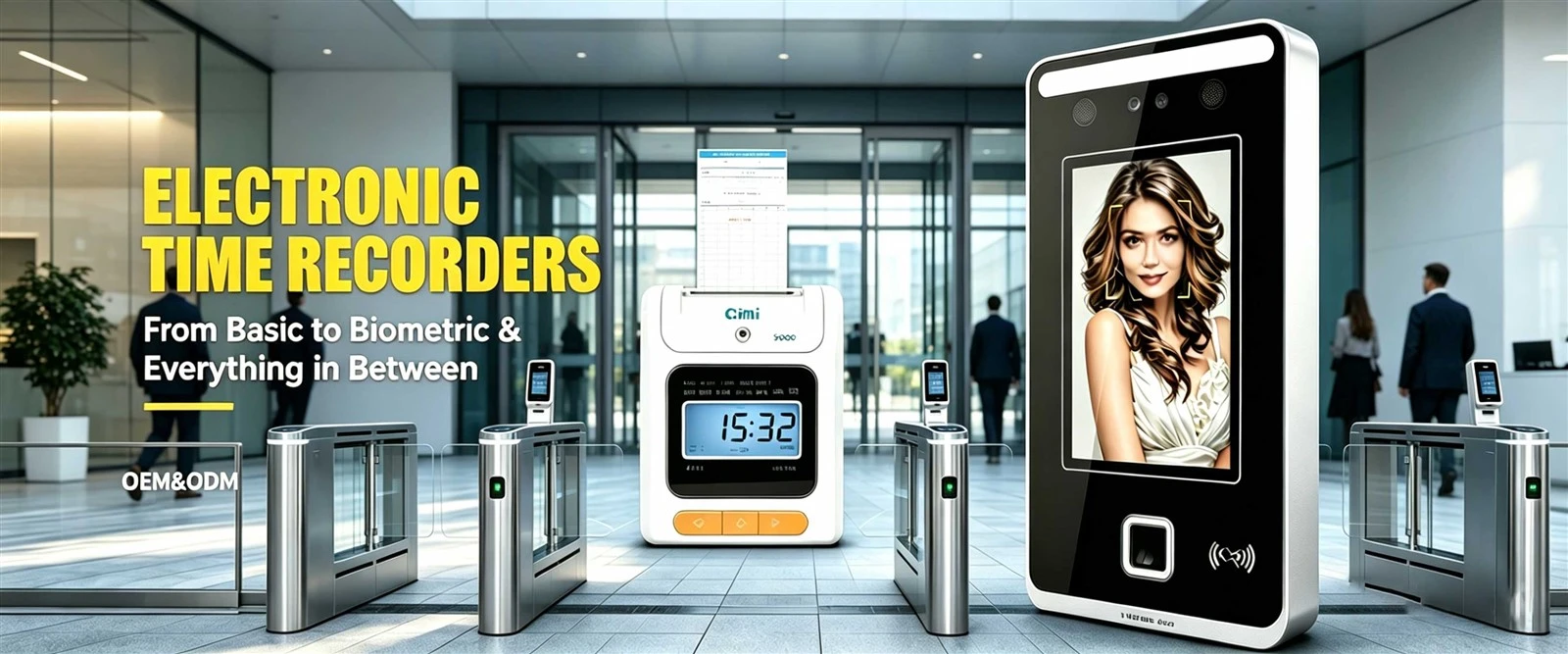
Full TCO analysis of paper punch card machines and digital biometric attendance systems, helping businesses choose low long-term cost attendance solutions.
Most enterprises only focus on the initial procurement price when purchasing attendance equipment, ignoring long-term recurring costs and labor costs, resulting in higher overall investment in the later stage. A comprehensive comparison of the total cost of ownership (TCO) of traditional paper punch card machines and modern digital attendance systems helps businesses make cost-effective long-term decisions.
Cost Structure of Paper Punch Card Attendance Systems
Paper time recorders feature ultra-low initial procurement costs and no supporting software or network requirements, which is friendly for micro-enterprises with limited one-time budgets. Its long-term costs mainly come from continuous recurring expenses and manual labor consumption.
Recurring Hardware & Consumable Costs: Long-term purchase of dedicated attendance paper cards and thermal printing consumables; mechanical wear causes regular equipment maintenance and accessory replacement costs after 1–2 years of use.
Hidden Labor Costs: Administrative staff need to manually collect, sort, and check paper cards every month, manually count late arrivals, absences, and overtime hours, and manually input data into payroll spreadsheets. As the number of employees increases, manual statistical workload increases exponentially, consuming a large amount of HR working time.
Cost Structure of Digital Attendance Systems
Digital attendance systems represented by QIMI fingerprint and facial recognition terminals have slightly higher initial investment (equipment + basic system deployment) but almost no subsequent recurring consumable costs. The one-time input can support long-term stable operation for 3–5 years.
QIMI digital devices support USB/Ethernet/WiFi data transmission, automatic electronic data archiving, and one-click report export, eliminating manual sorting and statistics. The built-in intelligent algorithm automatically identifies abnormal attendance records, greatly reducing HR labor costs.
Long-Term Performance & Cost Contrast
Initial Investment: Paper punch machine – Low; Digital system – Medium
Daily Operation Mode: Paper punch machine – Manual card insertion & manual statistics; Digital system – Automatic biometric clock-in & intelligent statistics
Manual Labor Consumption: Paper punch machine – High; Digital system – Very low
Anti-proxy Clock-in Ability: Paper punch machine – Weak; Digital system – Strong
Data Storage Method: Paper punch machine – Easy-lost physical paper records; Digital system – Permanent encrypted electronic backup
Suitable Team Scale: Paper punch machine – Below 30 people; Digital system – 30+ people, medium and large teams
Report Generation: Paper punch machine – Full manual statistics; Digital system – One-click automatic export
Which Solution Is More Suitable for Your Business?
Choose Paper Punch Machines If: You have a small team with fixed simple shifts, only need basic clock-in records, have unstable network conditions, and have strict short-term budget limits.
Choose QIMI Digital Attendance Systems If: You have a large team with multi-shift scheduling, need strict anti-cheating management, require fast payroll report generation, want to reduce HR workload, and plan to build digital HR management workflows.
Conclusion
Paper punch machines excel in low initial cost and simple operation for micro-teams, while QIMI digital biometric attendance systems have far lower long-term comprehensive costs, higher management efficiency, and stronger data security. Enterprises should evaluate total long-term costs rather than one-time equipment prices for attendance equipment procurement.
If you need bulk quotation or OEM customization, contact our sales team via WhatsApp86=13728420209/Email:wendy@qimi-timerecording.com