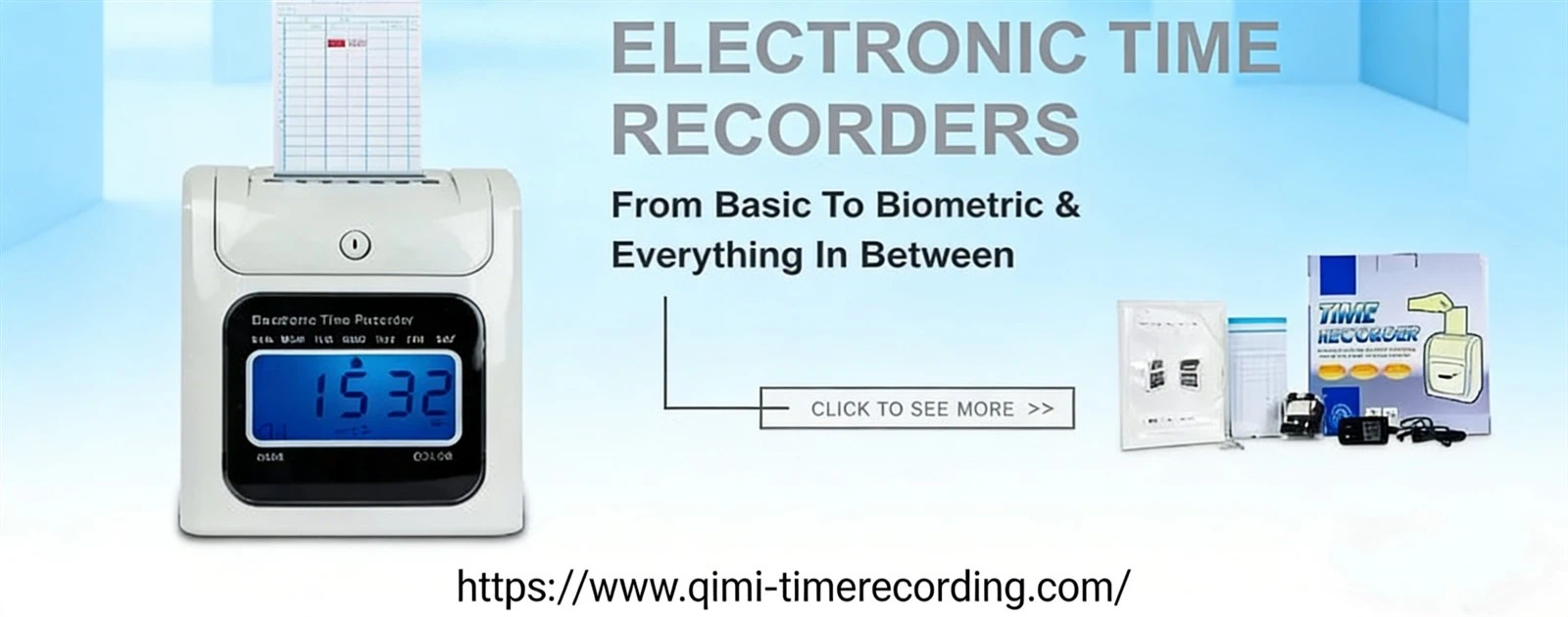
1. Key Factors for Choosing Time Attendance Machines for Global B2B Buyers
For international distributors, wholesalers, and enterprise buyers, selecting the right time attendance machine requires balancing functionality, durability, and regional adaptability. Core considerations include global voltage compatibility (AC 100–240V is a must for cross-border sales), environmental resistance (temperature range -30°C to +40°C for industrial use), and compliance with local labor laws. Card-based machines are ideal for price-sensitive markets in Africa, Latin America, and Southeast Asia, while biometric systems (fingerprint, facial recognition) are preferred for medium to large enterprises in Europe and North America. Prioritizing offline functionality and backup power also ensures reliability in regions with unstable internet or power supply.
2. The Role of Time Attendance Systems in Labor Cost Control
In today's competitive business landscape, effective workforce management is key to reducing operational costs. Time attendance machines eliminate manual time tracking errors, prevent time theft (such as buddy punching), and streamline payroll processing. For manufacturing plants, factories, and retail chains, automated attendance recording reduces administrative workload by up to 40%, cutting down on labor hours spent on data entry and payroll reconciliation. Additionally, clear attendance records help businesses comply with overtime regulations, avoiding costly legal penalties and disputes with employees-critical for B2B partners looking to offer value to their clients.
3. Market Trends of Time Attendance Equipment in 2026
The global time attendance market is evolving with two key trends driving demand for B2B suppliers. First, hybrid work models have increased the need for flexible systems that support both on-site (card punch, biometric) and remote (mobile app) clock-ins. Second, emerging markets in Africa, Southeast Asia, and Latin America are seeing growing demand for affordable, low-maintenance card-based machines with backup battery support, due to frequent power outages and limited infrastructure. For manufacturers, offering OEM/ODM customization (multilingual interfaces, custom logos, regional plug standards) is becoming a competitive edge to capture these growing markets.
4. Differences Between Card-Based, Biometric, and Cloud-Based Attendance Systems
Understanding the pros and cons of each attendance technology is essential for B2B buyers to meet their clients' needs:
Card-based systems: Affordable, easy to operate, offline functionality, ideal for small businesses and regions with unstable internet. Low learning curve for employees, but requires regular card replacement.
Biometric systems (fingerprint/facial recognition): High security, eliminates time fraud, suitable for medium to large enterprises. Requires minimal maintenance but has higher upfront costs.
Cloud-based systems: Real-time data access, remote management, integration with payroll software. Ideal for businesses with multiple locations, but dependent on stable internet and data security measures.
5. Compliance Considerations for Global Time Attendance Machines
For B2B distributors selling to international markets, compliance with local regulations is non-negotiable. Key compliance factors include data privacy laws (GDPR in Europe, CCPA in the US) for biometric systems, which require secure storage of employee biometric data. Additionally, attendance records must meet local labor requirements-such as clear overtime tracking, leave management, and printable logs for audits. Machines with CE, RoHS, and ISO certifications are more competitive, as they ensure compatibility with global safety and environmental standards, reducing barriers to market entry for B2B partners.
6. Maintenance Tips for Long-Term Use of Time Attendance Machines
Proper maintenance extends the service life of attendance machines, reducing replacement costs for businesses and improving customer satisfaction for B2B distributors. For card-based machines: regularly clean the card detection sensor to avoid jams, replace printing ribbons (for dot-matrix models) or check thermal printing heads (for thermal models). For biometric systems: clean fingerprint scanners with a dry cloth to ensure accurate recognition. For all models: check backup batteries every 6 months, ensure proper ventilation to prevent overheating, and update software (for cloud-based systems) to fix security vulnerabilities. These simple steps reduce downtime and enhance the reliability of the equipment.