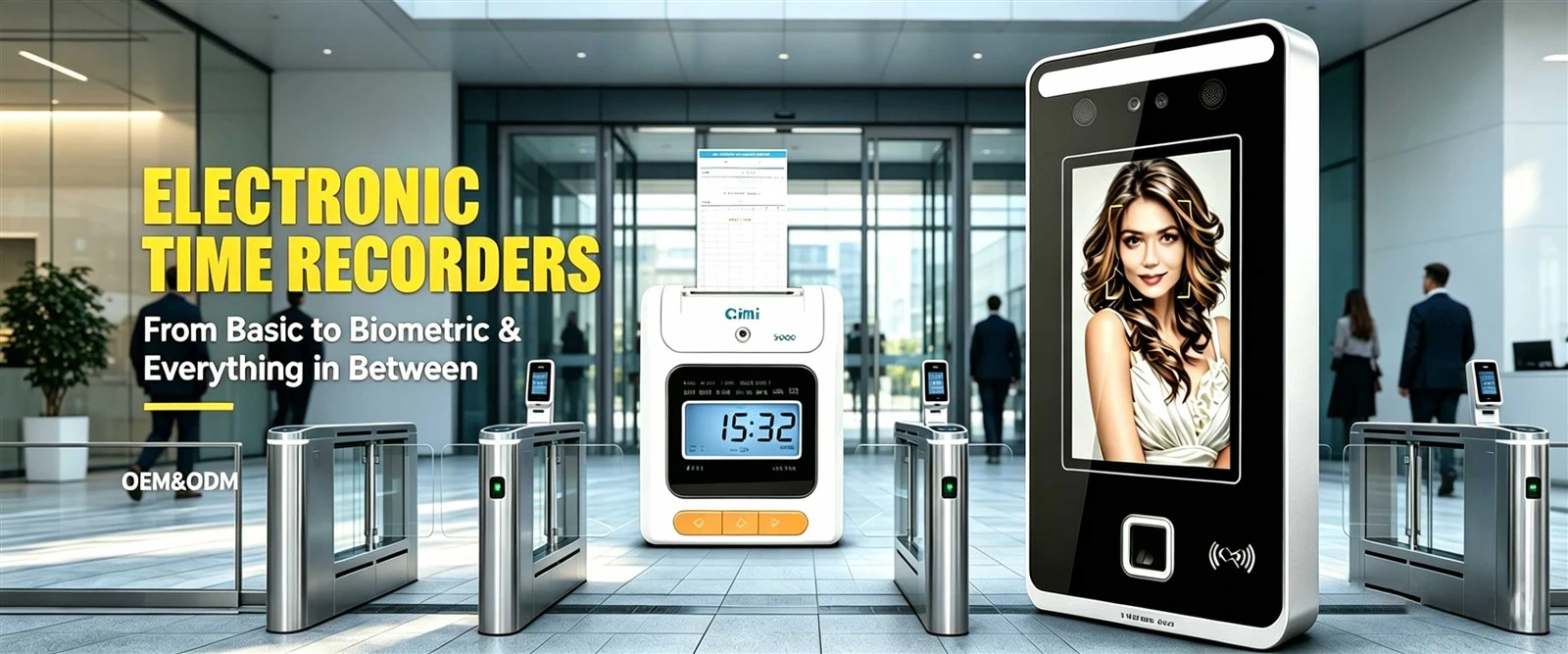
Single-modality biometric systems have a vulnerability: they can be spoofed under certain conditions. High-security enterprises-defense contractors, data centers, pharmaceutical labs, and financial institutions-require defense-in-depth identity assurance. Enter the multi-modal biometric terminal. By combining two or more independent authentication factors (face recognition, fingerprint verification, RFID card, and PIN code), these systems reduce false acceptance rates to near zero and eliminate virtually all spoofing vectors. This guide explains how multi-modal technology works, when it's required, and how to evaluate B2B suppliers.
A multi-modal biometric terminal operates on a simple principle: the probability of simultaneously spoofing two different biometric modalities is astronomically lower than spoofing one. An attacker might create a silicone fingerprint, but replicating a live face with correct liveness responses (blinking, head movement) is exponentially harder. The Q32 industrial-grade biometric terminal exemplifies this architecture, integrating face recognition, fingerprint verification, and RFID card support in a single wall-mounted unit-1.https://www.qimi-timerecording.com/card-punch-time-recorder/fingerprint-time-attendance/biometric-face-fingerprint-access-control.html
The system logic is configurable for different security levels. In "AND" mode, the user must successfully pass all enabled modalities before access is granted-ideal for cleanrooms, server rooms, or vaults. In "OR" mode, any single verified modality grants access, balancing security with convenience for general office areas. This flexibility allows a single device to serve multiple security zones across a facility.
Biometric access control integration goes beyond attendance tracking. Modern terminals communicate with electric door strikes, magnetic locks, and turnstiles via Wiegand or OSDP protocols. When an employee is verified, the terminal sends an unlock signal to the door controller while simultaneously recording the event in the time attendance database. The EN-260 fingerprint access control and time attendance terminal demonstrates this dual functionality, handling both door release and attendance logging within the same transaction-1.
For enterprises managing multiple facilities, centralized management software is essential. Look for terminals that support TCP/IP networking, Wi-Fi, or 4G connectivity, allowing administrators to push template updates, retrieve logs, and configure access schedules from a single console. Compliance with CE, FCC, RoHS, and ISO certifications ensures that hardware meets international safety and electromagnetic compatibility standards-critical for global procurement-1.