

When it comes to running a business, managing employee attendance accurately is crucial. A reliable punch clock can streamline the attendance tracking process, reduce errors, and help you maintain compliance with labor laws. As a punch clock supplier, I understand the importance of choosing the right device for your business. In this blog post, I'll guide you through the key factors to consider when selecting a punch clock, and I'll also provide some product recommendations to help you make an informed decision.
1. Assess Your Business Needs
The first step in choosing the right punch clock is to assess your business needs. Consider the following questions:
- Number of Employees: How many employees do you have? If you have a small business with fewer than 10 employees, a basic punch clock may be sufficient. However, if you have a larger workforce, you may need a more advanced system that can handle multiple users and generate detailed reports.
- Work Environment: Where will the punch clock be used? If your employees work in a harsh environment, such as a construction site or a factory, you'll need a durable and rugged device that can withstand dust, moisture, and other elements. On the other hand, if your employees work in an office setting, a more compact and stylish punch clock may be appropriate.
- Attendance Tracking Requirements: What type of attendance tracking do you need? Do you need to track regular hours, overtime, breaks, or shifts? Some punch clocks offer advanced features such as biometric authentication, GPS tracking, and integration with payroll software, which can make attendance tracking more accurate and efficient.
2. Choose the Right Type of Punch Clock
There are several types of punch clocks available on the market, each with its own advantages and disadvantages. Here are the most common types:
- Mechanical Punch Clocks: These are the traditional punch clocks that use a mechanical mechanism to stamp the time on a time card. They are simple to use and require no electricity, but they can be prone to errors and may not be suitable for large businesses.
- Electronic Punch Clocks: These punch clocks use electronic sensors to record the time and can store data in a memory chip. They are more accurate and reliable than mechanical punch clocks, and they can generate detailed reports. However, they require electricity and may be more expensive.
- Biometric Punch Clocks: These punch clocks use biometric technology, such as fingerprint or facial recognition, to identify employees and record their attendance. They are highly secure and accurate, and they can prevent buddy punching (when one employee punches in for another). However, they can be more expensive and may require additional training for employees.
- Mobile Punch Clocks: These punch clocks allow employees to punch in and out using their smartphones or tablets. They are convenient and flexible, and they can be used by remote workers or employees who work in the field. However, they may require a reliable internet connection and may not be suitable for all businesses.
3. Consider the Features and Functionality
Once you've chosen the type of punch clock that's right for your business, you'll need to consider the features and functionality that are important to you. Here are some key features to look for:
- Accuracy: The punch clock should be accurate to within a few seconds to ensure that employee hours are recorded correctly.
- Ease of Use: The punch clock should be easy to use for both employees and managers. It should have a clear display and simple controls.
- Data Storage and Reporting: The punch clock should be able to store data for a sufficient period of time and generate detailed reports. This can help you track employee attendance, calculate payroll, and identify trends.
- Integration with Payroll Software: If you use payroll software, look for a punch clock that can integrate with it. This can save you time and reduce errors by automatically transferring attendance data to your payroll system.
- Security: The punch clock should have security features such as password protection, encryption, and access controls to prevent unauthorized access to employee data.
4. Evaluate the Cost
The cost of a punch clock can vary depending on the type, features, and functionality. When evaluating the cost, consider the following factors:
- Purchase Price: The purchase price of the punch clock is the upfront cost that you'll need to pay. This can range from a few hundred dollars for a basic mechanical punch clock to several thousand dollars for a more advanced biometric punch clock.
- Installation and Setup: Some punch clocks may require professional installation and setup, which can add to the cost. Make sure to factor in these costs when evaluating the total cost of ownership.
- Maintenance and Support: The punch clock may require regular maintenance and support to ensure that it continues to function properly. Make sure to consider the cost of maintenance and support when evaluating the total cost of ownership.
- Return on Investment (ROI): The punch clock can provide a significant return on investment by reducing errors, improving efficiency, and saving time and money. When evaluating the cost, consider the potential ROI that the punch clock can provide.
5. Read Reviews and Compare Products
Before making a final decision, it's a good idea to read reviews and compare products from different manufacturers. Look for reviews from other businesses that have used the punch clock and see what they have to say about its performance, reliability, and ease of use. You can also compare products based on their features, functionality, and cost to find the one that best meets your needs.
Product Recommendations
As a punch clock supplier, I offer a wide range of products to meet the needs of different businesses. Here are some of my recommended products:
- punch time clock hours tracker: This digital punch clock features a large LCD display and can store up to 100,000 records. It also offers advanced features such as overtime calculation, shift scheduling, and data export to Excel.
- Bundy Clock For Philippines Indonesia Brazil: This hot-selling Bundy clock is designed for use in the Philippines, Indonesia, Brazil, and other countries. It features a durable metal case and can print up to 1,200 cards per ribbon.
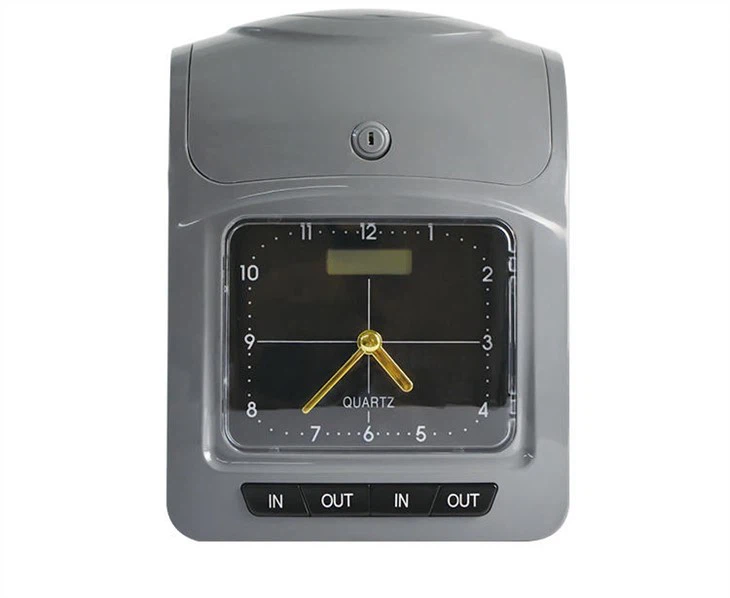
- time recorder co as: This card punch time recorder is a reliable and affordable option for small to medium-sized businesses. It features a simple design and can print up to 800 cards per ribbon.
Conclusion
Choosing the right punch clock for your business is an important decision that can have a significant impact on your bottom line. By assessing your business needs, choosing the right type of punch clock, considering the features and functionality, evaluating the cost, and reading reviews and comparing products, you can find the punch clock that best meets your needs. If you have any questions or need help choosing the right punch clock for your business, please don't hesitate to contact me. I'm here to help you make the right decision and ensure that your attendance tracking process is accurate, efficient, and compliant with labor laws.

References
- "How to Choose the Right Time Clock for Your Business" by Chron.com
- "The Ultimate Guide to Employee Time Clocks" by Fit Small Business
- "Top 10 Time Clocks for Small Business" by Business.com