

Yo, what's up everyone! As a supplier of employee punch clocks, I've seen firsthand the impact these nifty devices can have on workplace productivity. So, let's dive right in and explore what the deal is with employee punch clocks and how they can boost or, in some cases, affect productivity.
The Basics of Employee Punch Clocks
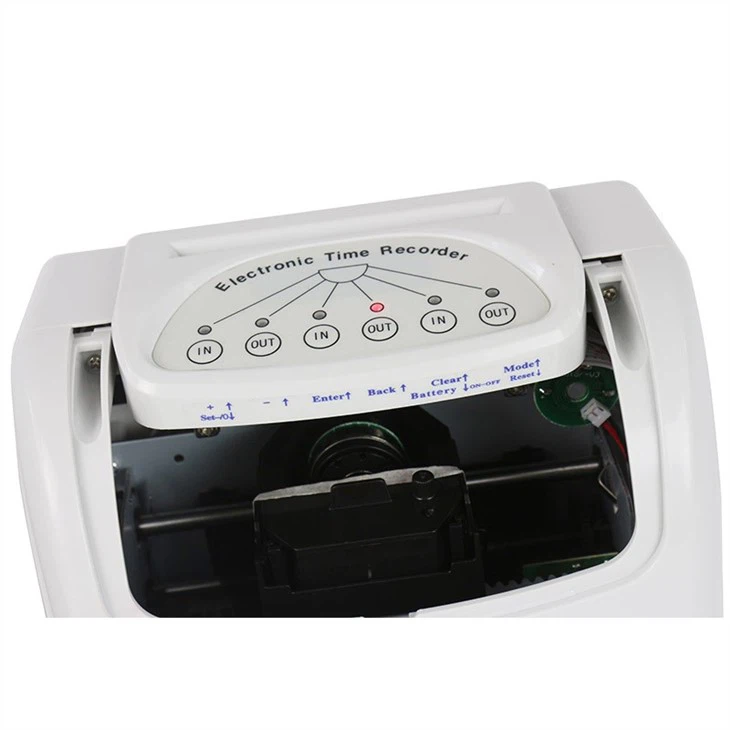
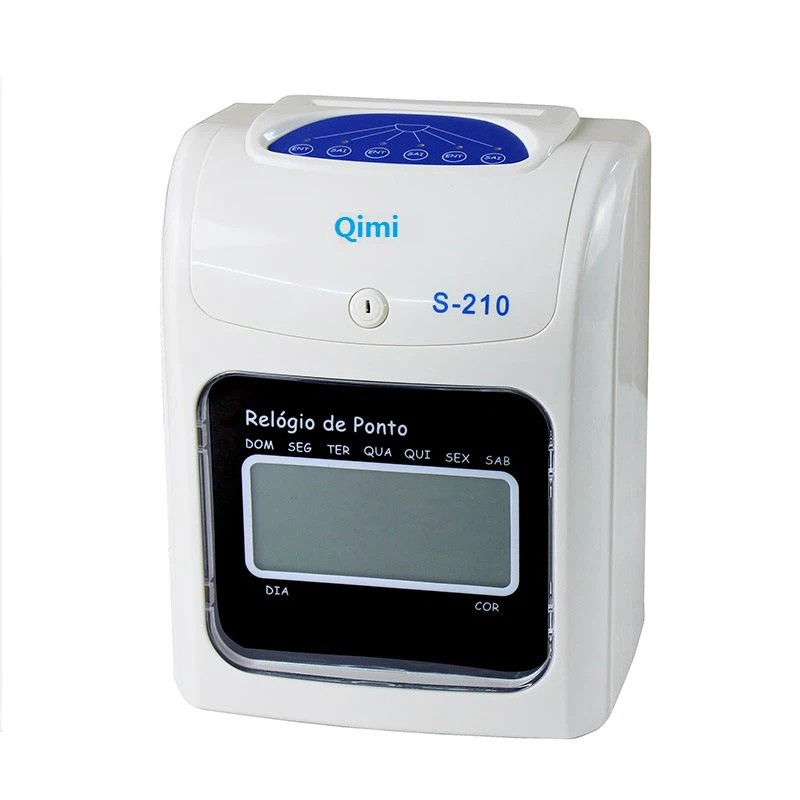
First off, for those who might not be too familiar, an employee punch clock is a tool used to record when employees start and end their work shifts. It can be a traditional mechanical one, like the Bundy Clock Time Recorder With Built-in Battery, where you insert a time card, and it stamps the time, or a more modern digital version, such as a time attendance terminal. These digital ones can use methods like fingerprint scanning, RFID cards, or facial recognition to log the employees' comings and goings.
How Punch Clocks Can Boost Productivity
Accountability
One of the biggest impacts of having an employee punch clock is that it creates a sense of accountability among employees. When they know that their working hours are being accurately tracked, they're more likely to show up on time and work the full hours they're supposed to. For example, if an employee has a habit of showing up 10 - 15 minutes late every day, with a punch clock in place, they can't just get away with it. This means that the company can get the full working hours they're paying for, and projects can stay on schedule.
Fairness in Payroll
Punch clocks also ensure fairness in payroll. By accurately recording the hours worked, employees are paid exactly what they've earned. This eliminates any disputes over hours worked, which can be a huge time - waster. When employees feel like they're being paid fairly, they're more motivated to work hard. They know that their extra efforts will be reflected in their paychecks, and this can lead to increased productivity as they strive to do their best.
Better Scheduling
With the data collected from punch clocks, managers can make more informed scheduling decisions. They can see which times of the day or week are busier and schedule more employees accordingly. For instance, if a retail store notices that sales pick up on weekends, they can schedule more staff during those times. This ensures that the business is adequately staffed, leading to better customer service and increased sales, all of which contribute to overall productivity.
Potential Drawbacks on Productivity
Micromanagement Perception
Some employees might see the use of a punch clock as a form of micromanagement. They could feel like they're not trusted, which can have a negative impact on their morale. When morale is low, productivity often follows suit. For example, an employee who feels constantly monitored might be less motivated to go above and beyond their regular duties. They might just do the bare minimum to get by, which isn't good for the company in the long run.
Technical Glitches
Digital punch clocks, like the time attendance terminal, can sometimes experience technical glitches. If the system malfunctions, it can cause a lot of headaches for both employees and managers. Employees might have trouble clocking in or out, and managers have to spend time sorting out the mess. This downtime can be a productivity killer, especially in a fast - paced work environment.
Time Wasted at the Clock
In some cases, employees might spend a few extra minutes gathered around the punch clock, chatting with colleagues, and not really getting to work right away. This small amount of time can add up over the course of a day or a week. For example, if 10 employees each waste 5 minutes a day at the punch clock, that's almost an hour of lost productivity every day!
Overcoming the Drawbacks
Communication
To combat the perception of micromanagement, it's crucial for managers to communicate clearly with employees about why the punch clock is in place. Explain that it's for fairness and to help the company run more efficiently. When employees understand the purpose, they're more likely to be okay with it. For example, you could hold a team meeting to discuss the benefits of the punch clock system and answer any questions or concerns the employees might have.
Regular Maintenance
To prevent technical glitches, regular maintenance of the punch clock system is a must. Make sure to update the software, check the hardware components, and test the system regularly. This way, you can catch any problems before they turn into major issues that disrupt productivity. And if you do run into a problem, have a backup plan in place, like a manual sign - in sheet.
Encouraging a Quick Transition
To reduce the time wasted at the punch clock, managers can encourage employees to have a quick transition from clocking in to starting work. Maybe set up a clear workflow where employees know exactly what they need to do right after clocking in. You could also consider having some kind of incentive for employees who are able to quickly get to work, like a small prize for the team with the fastest start - up time.
The Role of Multilingual Punch Clocks
In today's diverse workplaces, having a punch clock that supports multiple languages can be a game - changer. For example, a punch time clock in french language can make the system more accessible to French - speaking employees. This reduces confusion and makes it easier for all employees to use the punch clock, which in turn can improve productivity. When everyone can easily understand how to clock in and out, there are fewer errors and less time wasted trying to figure out the process.
Wrapping It Up
So, there you have it! Employee punch clocks can have a significant impact on productivity, both positive and negative. When used correctly and with the potential drawbacks in mind, they can be a powerful tool for businesses. They can create accountability, ensure fair payroll, and help with scheduling, all of which contribute to a more productive workplace.
If you're interested in learning more about our employee punch clock solutions or are considering making a purchase for your business, don't hesitate to reach out. We're here to answer any questions you might have and guide you through the process of finding the perfect punch clock system for your needs.
References
- "The Impact of Time Management Tools on Workplace Productivity" - Journal of Business Productivity Studies
- "Employee Accountability and Its Link to Productivity" - Human Resources Review
- "Multilingual Technology in the Workplace" - International Workplace Journal