


Desktop Photo Laminator Industry Knowledge & Professional Buying Guide
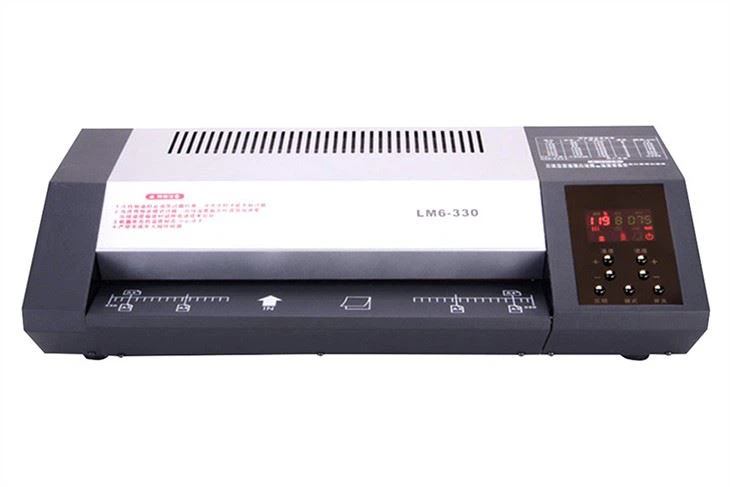
Desktop photo laminators have become essential office and commercial equipment worldwide. With increasing demand from offices, schools, printing shops, retailers and service providers, high-quality desktop laminators are widely used for document protection, photo preservation, card making and signage lamination. For B2B buyers, distributors and wholesalers, understanding the industry basics, core features and selection criteria is key to choosing reliable products and stable suppliers.
1. Industry Overview of Desktop Photo Laminators
The global market for small and medium-sized office laminators remains stable and consistent. Driven by daily office needs, educational administration and commercial retail services, desktop laminators are in steady demand throughout the year.
In recent years, industry development has shown several clear trends:
Higher efficiency with faster warm-up and higher laminating speed
More durable structures for long-term commercial use
Dual hot and cold lamination functions for wider material compatibility
Anti-jam systems to reduce operation failure and maintenance cost
Universal voltage design for global market distribution
High-quality desktop laminators not only improve work efficiency but also extend the service life of documents, photos, certificates and cards, making them a must-have item for office equipment importers and wholesalers.
2. Key Features & Industry Standards
Professional desktop photo laminators usually follow common industry standards to ensure stable performance and safe use. The main technical features include:
Laminating Width & Format Compatibility
Most desktop laminators support widths up to 230mm, compatible with A4, A5, A6 and other common sizes. This range meets the daily needs of offices, stores and schools.
Lamination Speed & Efficiency
Standard commercial-grade laminators feature a speed of 300–350mm/min, allowing continuous operation without frequent waiting. Higher efficiency helps improve workflow in busy environments.
Fast Warm-Up System
Quality laminators take only 3 to 5 minutes to heat up, greatly reducing waiting time and improving daily productivity. Stable temperature control ensures even sealing without bubbles or wrinkles.
Hot & Cold Lamination Functions
Dual-mode lamination allows users to choose according to material requirements. Hot lamination is suitable for most documents and photos, while cold lamination protects heat-sensitive materials such as special paper, printed stickers and vintage photos.
Anti-Jam & Reverse Function
A reliable jam-release and reverse function prevents film sticking and paper jams, reducing downtime and maintenance costs. This is especially important for commercial and high-frequency use.
Roller Structure & Material
High-quality laminators use 4 silicone rollers to provide smooth and even pressure. This structure helps achieve bubble-free, flat lamination results and improves overall durability.
Voltage & Global Adaptability
Reputable manufacturers support both 110V and 220V, or provide customizable voltage options. This makes the product suitable for export to different countries and regions.
3. Main Applications of Desktop Photo Laminators
Desktop laminators are widely used across multiple industries with high practical value:
Office Administration
Ideal for laminating contracts, documents, employee cards, memos, menus and important paperwork. Laminated items are waterproof, dustproof and tear-resistant.
Education & Schools
Used for student certificates, graduation photos, teaching materials, classroom posters and ID cards. Lamination protects items from fading and damage.
Printing & Photo Shops
Perfect for photo preservation, artwork protection, greeting cards, small posters and custom signage. It improves presentation quality and customer satisfaction.
Retail & Service Industries
Applied to price tags, membership cards, service instructions, menu covers and promotional labels. Laminated products look more professional and durable.
Small Business & Commercial Use
Suitable for workshop labels, quality tags, instruction sheets and business cards. Lamination helps maintain clarity and extend usability.
4. How B2B Buyers Choose the Right Desktop Laminator
For bulk buyers, distributors and brand owners, selecting a suitable laminator involves more than just price. Key factors include:
Material & Structure Quality
Metal construction and sturdy internal gears ensure longer service life and better stability compared to all-plastic models, which is critical for commercial use.
Performance Consistency
Stable temperature, even pressure and low failure rate directly affect user experience and after-sales pressure. Reliable quality reduces complaints and returns.
Function Completeness
Hot/cold lamination, anti-jam function, fast warm-up and easy operation make products more competitive in the market.
Customization Support
Strong manufacturers provide OEM/ODM services, including logo printing, color customization, packaging design and manual adaptation.
Supply Capacity & Delivery Time
Stable production capacity and on-time delivery ensure uninterrupted supply for distributors and help maintain market inventory.
After-Sales & Warranty
Professional after-sales support, clear warranty terms and accessible spare parts reduce long-term operation risks for buyers.
5. Benefits of Choosing High-Quality Desktop Laminators
Investing in quality laminators brings long-term benefits to B2B buyers:
Higher customer satisfaction and lower return rates
Stronger market competitiveness for distributors
Longer product lifespan and lower maintenance cost
Stable performance suitable for repeated wholesale orders
Better brand image and long-term business cooperation
6. Conclusion
Desktop photo laminators are practical, high-demand office equipment with steady global market demand. For B2B purchasers, understanding industry standards, core functions and application scenarios helps make informed sourcing decisions.
By cooperating with a professional manufacturer that focuses on quality, stability and customization, buyers can secure reliable products, competitive pricing and efficient supply, laying a solid foundation for sustainable business development in the office equipment market.